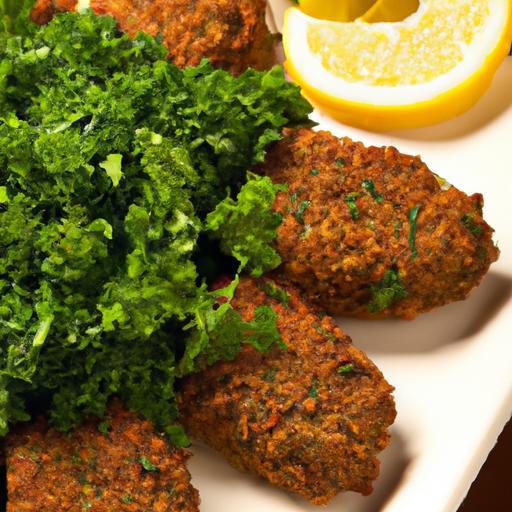
Kibbeh: The Heart of Levantine Cuisine and National Identity
In the vibrant tapestry of Middle Eastern cuisine, few dishes hold as much reverence and universal appeal as
kibbeh. More than just a meal, this iconic Levantine specialty is a culinary cornerstone, a symbol of heritage, and a testament to generations of shared traditions. From bustling souks to intimate family gatherings, the aroma of spiced meat and bulgur evokes memories and a profound sense of home for millions across the globe.
What is Kibbeh? Decoding the Levantine Masterpiece
At its core,
kibbeh is a traditional dish celebrated throughout Lebanon, Syria, and the broader Middle East, consisting of a unique "dough" crafted from finely ground meat—typically lean lamb or beef—masterfully pounded with soaked bulgur wheat. This versatile mixture forms the outer shell, which is then seasoned with an aromatic symphony of spices, including pungent onions, earthy cumin, warm allspice, and refreshing mint. The name itself, "kibbeh," derives from the Arabic word meaning "ball," a nod to one of its most common and beloved forms.
But kibbeh is far from simple. Its preparation is an art form, highlighting skilled labor and an intimate understanding of ingredients. The outer shell, meticulously kneaded to achieve a smooth, elastic texture, often encases a delectable filling of spiced ground meat, toasted pine nuts, and sautéed onions. This dual-layered construction—a tender yet firm shell embracing a savory core—is what gives kibbeh its distinctive character and irresistible appeal.
A Symphony of Shapes and Textures: Kibbeh's Versatility
The true genius of
kibbeh lies in its remarkable versatility. While the core ingredients remain consistent, the dish transforms dramatically through varied shapes and cooking methods, each offering a distinct sensory experience.
*
Kibbeh Nayyeh: The Raw Delicacy
Perhaps the most traditional and revered form is
kibbeh nayyeh, served raw. This version showcases the impeccable freshness and quality of its ingredients, with the bulgur and finely ground meat (often lamb) blended with mint and olive oil. It's a delicate and luxurious dish, embodying the freshest flavors of the Levant.
*
Fried Kibbeh: Crispy Perfection
The most globally recognized form features the mixture shaped into elegant oval torpedoes, deep-fried to a golden crisp. These irresistible morsels boast a satisfying crunch that gives way to a tender, juicy filling, making them a perfect appetizer or a staple in any mezze spread. The textures range from crunchy and golden when fried to layered and casserole-like when baked.
*
Kibbeh bil Sanieh: The Baked Casserole
For those seeking a lighter yet equally flavorful option,
kibbeh bil sanieh (or kibbeh in a tray) offers a beautiful alternative. Here, the bulgur-meat mixture is spread into a flat, layered casserole, often with a spiced meat and nut filling sandwiched between two layers, then baked until the top is beautifully browned and crisp, yielding a tender interior. This style is often cut into diamond shapes before serving, presenting an elegant centerpiece.
*
Boiled Kibbeh: Comfort in Broth
Less common but equally cherished are boiled variations, where kibbeh balls are simmered in flavorful broths, often featuring yogurt or tamarind. These methods highlight the dish's adaptability, allowing it to transition from a hearty main course to a comforting addition to soups.
The sensory profile of
kibbeh is a harmonious blend: the nutty earthiness of bulgur balances the savory depth of lamb or beef, while warming spices like cumin and allspice intertwine with the bright, aromatic notes of mint and onion. This complex interplay of flavors makes every bite an exploration. To dive deeper into the diverse world of this magnificent dish, explore
Kibbeh's Many Forms: Exploring Fried, Baked, and Raw Levantine Delights.
More Than a Meal: Kibbeh as a Symbol of Identity and Heritage
Beyond its culinary brilliance,
kibbeh holds profound cultural significance. It has solidified its place as a national dish in both Lebanon and Syria, embodying communal traditions, family gatherings, and the very essence of Levantine identity. Its roots are deep, with traveler accounts as early as 1857 describing a simple pounded meat and bulgur mixture that, over time, evolved into the refined dish we know today, influenced by centuries of regional multicultural histories.
In times of migration and conflict,
kibbeh has served as a tangible link to home, a way for diaspora communities to preserve their heritage and pass down culinary traditions across generations. From the bustling streets of Beirut to Lebanese kitchens in the Caribbean, the flavors of kibbeh resonate, adapted yet always familiar. Indeed, its journey across continents has led to fascinating regional adaptations, such as the Aleppan variations featuring quince and pomegranate, or the distinctive fried kibbeh of Iraqi cuisine. Vegetarian options, too, have emerged, with Syrian recipes incorporating pumpkin or potatoes to create equally delightful meat-free versions. These adaptations underscore kibbeh's incredible adaptability while staunchly maintaining its core identity as a testament to Levantine ingenuity and a celebration of fresh, aromatic ingredients.
Mastering the Art of Kibbeh: Tips for Home Cooks
While the prospect of making
kibbeh from scratch might seem daunting, it's a deeply rewarding culinary endeavor that brings the heart of Levantine cuisine into your home. Here are some practical tips to help you master this beloved dish:
*
Choose Your Bulgur Wisely: Opt for fine-grain bulgur (burghul na'ameh). It absorbs water quickly and blends seamlessly with the meat, creating a smooth outer shell.
*
Quality Meat is Key: For the outer shell, use very lean ground lamb or beef, ideally ground twice. If making kibbeh nayyeh, ensure the meat is exceptionally fresh and of the highest quality. For the stuffing, a slightly fattier ground meat can add extra flavor.
*
Perfecting the Texture: The secret to a successful kibbeh shell is the kneading. After soaking the bulgur and mixing it with the meat and spices, knead it thoroughly, often with a little iced water, until it forms a smooth, pliable, and elastic paste. It should feel like clay and not stick to your hands.
*
Flavor Balance: Don't shy away from spices. Cumin, allspice, and mint are non-negotiable, but a touch of cinnamon or a hint of marjoram can add further depth. Taste and adjust.
*
Stuffing with Finesse: When forming the torpedoes or patties, ensure the shell is evenly thin but strong enough to hold the filling without breaking. Don't overstuff; a good ratio ensures the flavors meld perfectly. A little cold water on your hands helps prevent sticking.
*
Cooking Confidence:
* For
fried kibbeh, use a neutral oil heated to 350-375°F (175-190°C). Don't overcrowd the pan, and fry until golden brown and crispy.
* For
baked kibbeh bil sanieh, press the layers firmly into the tray, score the top into diamonds, and drizzle with olive oil before baking until golden and fragrant.
*
Serving Suggestions: Kibbeh is incredibly versatile. Serve fried versions as part of a vibrant mezze spread alongside hummus, tabbouleh, and labneh. Baked kibbeh makes a fantastic main course, often accompanied by a simple cucumber and tomato salad or a dollop of cool yogurt. For an indulgent and truly comforting experience, understand
Why Kibbeh is the Ultimate Comfort Food of the Middle East.
*
Freezing for Convenience: Kibbeh freezes beautifully! Prepare and shape the kibbeh (either raw or pre-fried), then arrange them on a baking sheet to freeze solid before transferring them to freezer bags. This allows you to enjoy homemade kibbeh whenever cravings strike.
In essence, making kibbeh is an act of love, a connection to history, and a celebration of rich culinary traditions.
Conclusion
Kibbeh is far more than just a dish; it's a culinary icon that weaves together history, culture, and flavor in every bite. From its ancient origins as a simple pounded mixture to its modern-day status as a national treasure and a global comfort food, kibbeh continues to captivate hearts and palates. Its remarkable versatility, deep cultural roots, and the sheer joy it brings to the table ensure its enduring legacy as the true heart of Levantine cuisine. Whether savored raw, fried to a golden crisp, or baked in a comforting casserole, kibbeh remains a timeless testament to human ingenuity and the universal language of delicious food.