Kibbeh's Many Forms: Exploring Fried, Baked, and Raw Levantine Delights
Few dishes embody the soul of Levantine cuisine quite like kibbeh. More than just a meal, this iconic preparation of bulgur wheat and finely ground meat is a culinary chameleon, transforming into an array of delightful forms – from crispy fried morsels to comforting baked casseroles, and even a revered raw delicacy. Originating in the heart of the Middle East, particularly Lebanon and Syria, kibbeh holds a central place in celebrations, family gatherings, and everyday dining, symbolizing heritage and communal tradition. Its name, derived from the Arabic word for "ball," hints at its most common shape, yet its versatility extends far beyond simple spheres.
For those new to the delights of kibbeh, or seasoned enthusiasts looking to deepen their appreciation, understanding its various preparations is key to unlocking its full flavor potential. This article delves into the diverse world of kibbeh, exploring the distinct characteristics, cultural significance, and preparation methods of its fried, baked, and raw iterations, while offering insights and tips to savor each unique experience.
The Heart of Kibbeh: Ingredients and Craftsmanship
At its core, all kibbeh begins with a foundation of carefully prepared ingredients. The quintessential kibbeh dough is a meticulous blend of fine bulgur wheat, soaked and squeezed of excess water, combined with finely ground meat – traditionally lean lamb or beef. This mixture is then seasoned with aromatic spices like cumin, allspice, and dried mint, often enhanced by the pungent notes of finely minced onions. The magic happens during the kneading process, where the bulgur and meat are pounded together until they achieve a smooth, elastic, and homogenous paste. This outer shell is then typically stuffed with a savory filling of sautéed ground meat, toasted pine nuts, and more onions, creating a delightful textural and flavor contrast.
The craftsmanship involved in preparing kibbeh is a testament to Levantine culinary skill. Achieving the perfect texture for the shell, ensuring it's thin yet robust enough to encase the filling, and shaping it into its characteristic forms, requires both practice and precision. This labor-intensive process is often a communal activity, passed down through generations, making each bite a taste of shared history.
Exploring Kibbeh's Culinary Spectrum: Fried, Baked, and Raw Delights
The true brilliance of kibbeh lies in its adaptable nature. Once the fundamental dough and filling are prepared, the dish can take on vastly different personalities depending on the cooking method. Each form offers a unique sensory journey, catering to various palates and occasions.
1. Fried Kibbeh (Kibbeh Maqlieh)
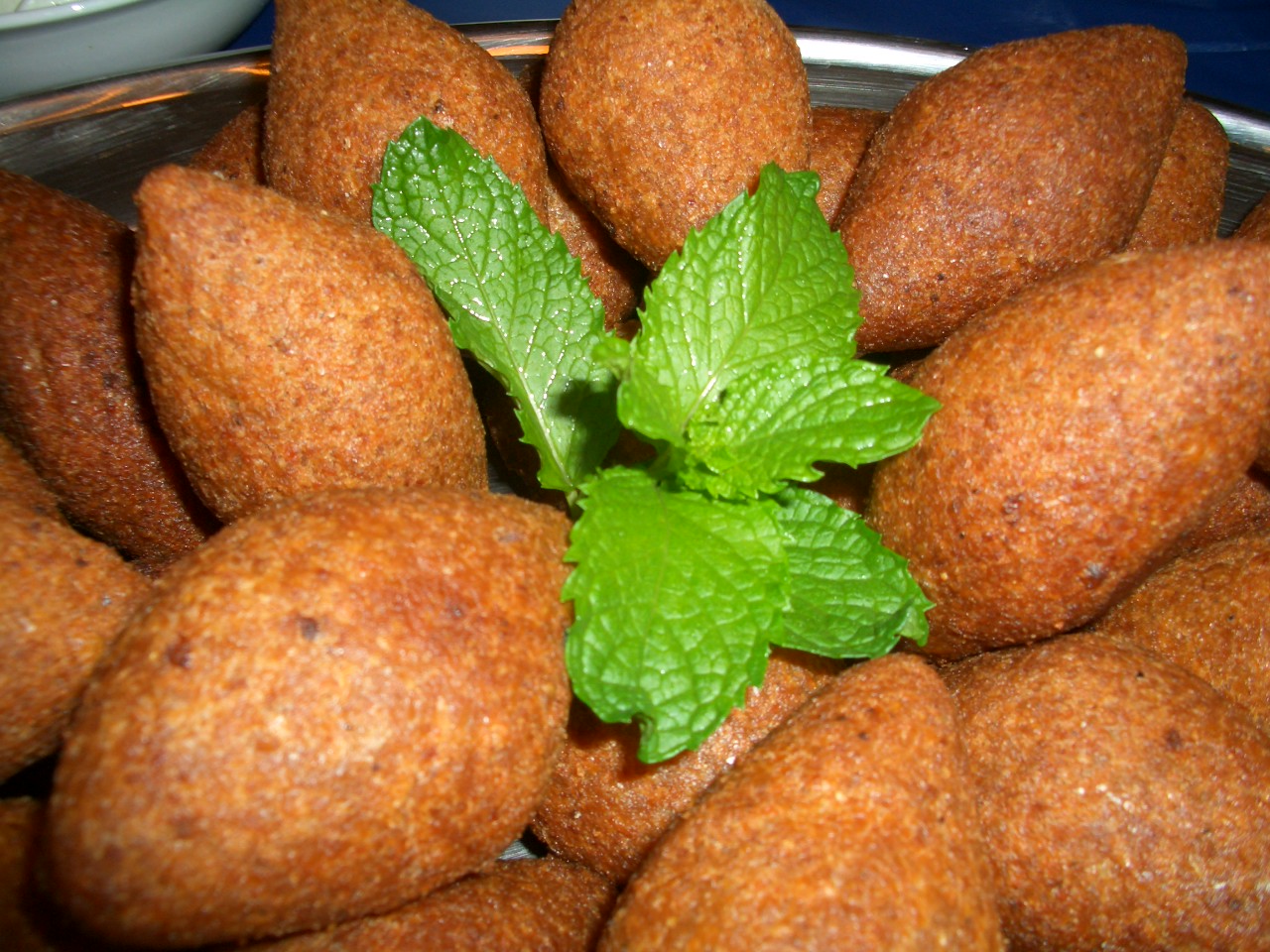
Perhaps the most globally recognized form, fried kibbeh (Kibbeh Maqlieh) is a beloved appetizer and a staple of any Middle Eastern mezze spread. These are typically shaped into elegant, oval torpedoes, filled with the spiced meat and pine nut mixture, and then deep-fried to a stunning golden-brown crispness. The experience of biting into a perfectly fried kibbeh is pure indulgence: a satisfying crunch from the bulgur shell gives way to a tender, juicy, and intensely flavorful filling. The earthy notes of the bulgur meld beautifully with the savory depth of the meat and the warmth of the spices.
- Preparation Tips: For the best results, ensure your oil is at the correct temperature (around 350-375°F or 175-190°C) to achieve a crispy exterior without overcooking the inside or soaking up too much oil. Fry in batches to maintain oil temperature and drain on paper towels to remove any excess grease.
- Serving Suggestion: Fried kibbeh is excellent served hot, often alongside cool plain yogurt, tahini sauce, or a fresh mint and cucumber salad to cut through its richness.
2. Baked Kibbeh (Kibbeh bil Sanieh)
For a heartier, more family-style meal, baked kibbeh, known as Kibbeh bil Sanieh (kibbeh in a tray), offers a comforting and equally delicious alternative. This version presents as a layered casserole, where the kibbeh dough forms both the bottom and top crusts, sandwiching a generous layer of the spiced meat and pine nut filling. Before baking, the top layer is often scored into decorative diamond or square patterns, sometimes adorned with a pine nut in the center of each piece. As it bakes, the top layer turns golden and crisp, while the interior remains moist and tender.
- Preparation Tips: Ensure the layers are pressed firmly and evenly into the baking tray. Drizzling olive oil or even clarified butter over the top before baking can enhance the crispiness and flavor. Baking at a moderate temperature (around 375°F or 190°C) allows it to cook through without burning the top.
- Serving Suggestion: Kibbeh bil Sanieh is a substantial dish perfect for main courses. It pairs wonderfully with a simple green salad, labneh (strained yogurt), or alongside rice. It's often prepared for larger gatherings or during holidays.
3. Raw Kibbeh (Kibbeh Nayyeh)
The most adventurous and highly prized form is raw kibbeh, or Kibbeh Nayyeh, considered a true delicacy among Levantine communities. This preparation consists of the same bulgur, onion, and spice mixture, but it is pounded with *extremely lean, high-quality raw lamb or beef*. The meat must be impeccably fresh and processed from a trusted source to ensure safety and superior flavor. Kibbeh Nayyeh is characterized by its incredibly smooth, almost pâté-like texture and vibrant flavor profile, where the freshness of the ingredients truly shines.
- Safety Note: Due to the raw meat component, it is crucial to source your meat from a highly reputable butcher who can guarantee its freshness and suitability for raw consumption. It should be prepared and consumed immediately.
- Serving Suggestion: Kibbeh Nayyeh is typically served fresh, often on a platter drizzled with a generous amount of good quality olive oil, garnished with fresh mint leaves, sliced green onions, and sometimes finely diced red onions. It’s scooped up with fresh pita bread and is a cornerstone of celebratory feasts, showcasing the host's generosity and culinary prowess.
Regional Riches and Modern Adaptations
The story of kibbeh doesn't end in the Levant; it continues to evolve and spread globally. Through diaspora communities, kibbeh has found new homes and interpretations, adapting to local ingredients and tastes while retaining its fundamental essence. In regions like the Caribbean, particularly among Syrian and Lebanese descendants, variations have emerged, incorporating local spices or cooking methods.
Within the Middle East itself, regional differences add another layer of fascinating diversity. Aleppan kibbeh, for example, is famous for its extensive range, sometimes incorporating fruits like quince or pomegranate into the filling, lending a unique sweet-tart dimension. Syrian cuisine also boasts incredible vegetarian adaptations, using pumpkin or potatoes as the base for the shell, creating delightful plant-based alternatives that are equally flavorful and appealing. Iraqi styles of kibbeh often feature different shapes and are sometimes simmered in flavorful broths after frying or boiling.
These myriad adaptations underscore kibbeh's incredible versatility and enduring appeal. Whether it's a traditional recipe passed down through generations or a modern interpretation, the core principles of fresh, aromatic ingredients and skilled preparation remain constant, making it a testament to Levantine ingenuity.
Tips for Perfecting Kibbeh at Home
While the process of making kibbeh can seem daunting, with a few tips, you can master this beloved dish in your own kitchen:
- Bulgur Quality and Preparation: Always use fine bulgur wheat. Soak it just until softened, then squeeze out as much water as possible. Excess water can make the dough sticky and difficult to work with.
- Meat Selection: For cooked kibbeh, use lean ground lamb or beef. For Kibbeh Nayyeh, insist on the freshest, leanest cut available from a trusted butcher, and ask them to grind it multiple times if possible.
- Kneading is Key: Whether by hand or with a food processor, thorough kneading is crucial for creating an elastic, smooth outer shell that won't crack during cooking.
- Flavor Balance: Don't skimp on the spices. Cumin, allspice, and mint are fundamental. A pinch of cayenne or black pepper can add a subtle kick.
- Practice Shaping: Shaping the torpedoes or forming the layers takes practice. Don't be discouraged if your first attempts aren't perfect. Keep a bowl of iced water nearby to moisten your hands, which helps prevent sticking.
- Don't Overstuff: While a generous filling is good, overstuffing can cause the kibbeh to burst during cooking.
- Batch Cooking: Kibbeh freezes beautifully, especially the fried and baked versions. Prepare a large batch and freeze individual portions for quick meals later.
Conclusion
From its humble origins as a simple pounded meat and bulgur mixture to its current status as a global culinary icon, kibbeh remains a captivating testament to Levantine ingenuity and flavor. Its ability to transform into vastly different yet equally delightful forms—crispy fried torpedoes, comforting baked casseroles, or the exquisite raw delicacy—speaks volumes about its versatility and depth. Each bite of kibbeh is a journey through history, a taste of tradition, and a celebration of rich culinary heritage. Whether you prefer the indulgent crunch of fried, the wholesome layers of baked, or the unique experience of raw, exploring kibbeh's many forms is an essential adventure for any food lover.
